
Cracked sealant at flashing
Sun and heat dry out sealants around walls and penetrations, opening small gaps where water can enter.
Roof Inspections
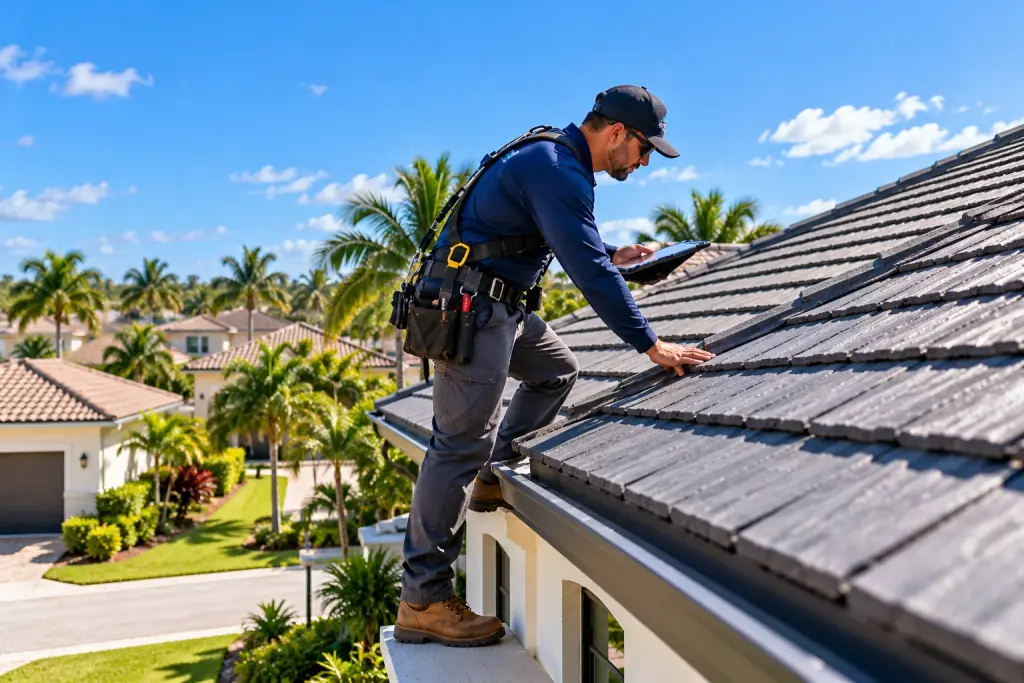
A careful roof inspection tells you where things stand, what needs attention now and what can wait — documented with photos you can keep.
What We Check
We look at the roof as a complete system, not just the surface you can see from the street.
Common Findings
Many of these are invisible from the ground and easy to fix when caught early.
Sun and heat dry out sealants around walls and penetrations, opening small gaps where water can enter.
Tiles damaged by impact or foot traffic expose the underlayment below to direct sun and rain.
Rubber collars around vent pipes crack with age and UV exposure, a frequent cause of slow leaks.
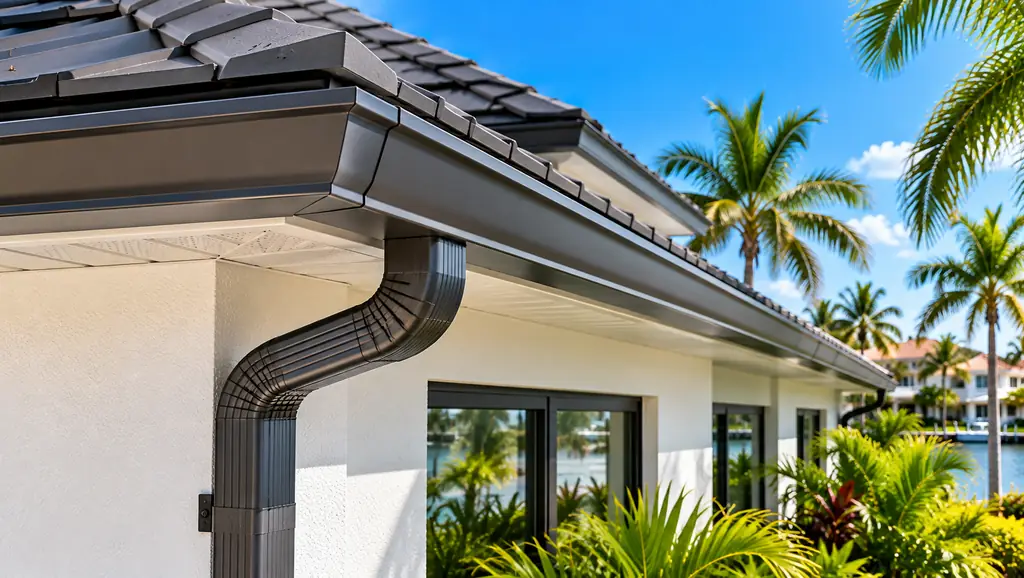
Leaves and debris in gutters and drains back water up under roof edges and onto flat sections.
Trapped heat and moisture age shingles faster and can lead to condensation on the underside of the deck.
Salt air speeds up corrosion of exposed metal near the coast, loosening fasteners and flashing over time.
When to Schedule
Understand the roof’s condition before you close, or address issues before listing so they do not derail a sale.
Wind and debris can damage a roof without causing an immediate leak. A post-storm check finds problems early.
Storm damagePhotos and a written condition summary give you documentation you can share with your insurer or agent if they ask.
If your roof is getting older, regular inspections help you plan for repair or replacement instead of reacting to a leak.
How It Works
Pick a time that works for you. Let us know about any leaks or concerns you have noticed.
We inspect the roof surface, flashing, drainage and the attic where accessible, taking photos as we go.
You receive photos and a plain-English summary of the roof’s condition and anything that needs attention.
Decide on your own timeline: no action, a targeted repair or planning ahead.
FAQ
Have a question that isn't answered here?
Call (954) 716-2216A good rule of thumb in South Florida is once a year, ideally before hurricane season starts on June 1, plus after any major storm. Older roofs and flat roofs benefit from more frequent checks.
No. A wind mitigation inspection is a specific form (OIR-B1-1802) completed by a qualified inspector to document wind-resistant features that insurers may consider. Our roof inspection focuses on the condition of your roof and what it needs. If you need a wind mitigation report, contact a qualified inspector who completes that form.
Not necessarily for the exterior portion, but we recommend it if attic access is through the inside of the house. It also gives you a chance to ask questions and see what we found in person.
You receive photos and a written summary of the roof’s condition, any problems we found and what we recommend — whether that is no action, a repair or planning for replacement down the road.
Yes. A general home inspection covers the roof broadly, while a roofer’s inspection looks closer at materials, flashing and signs of past leaks. That extra detail can help you plan and ask better questions before closing.
No. The point of an inspection is to tell you the truth about your roof. Many inspections end with “it looks good — check again next year” or a small repair recommendation.
Before hurricane season, after a storm or before a sale — get a clear, documented picture of your roof.
Enter your info below and our team will reply by text message.
We'll text you back at the number you provided shortly.