HVHZ code
Products approved for the High-Velocity Hurricane Zone, installed to its requirements.
Fort Lauderdale, FL
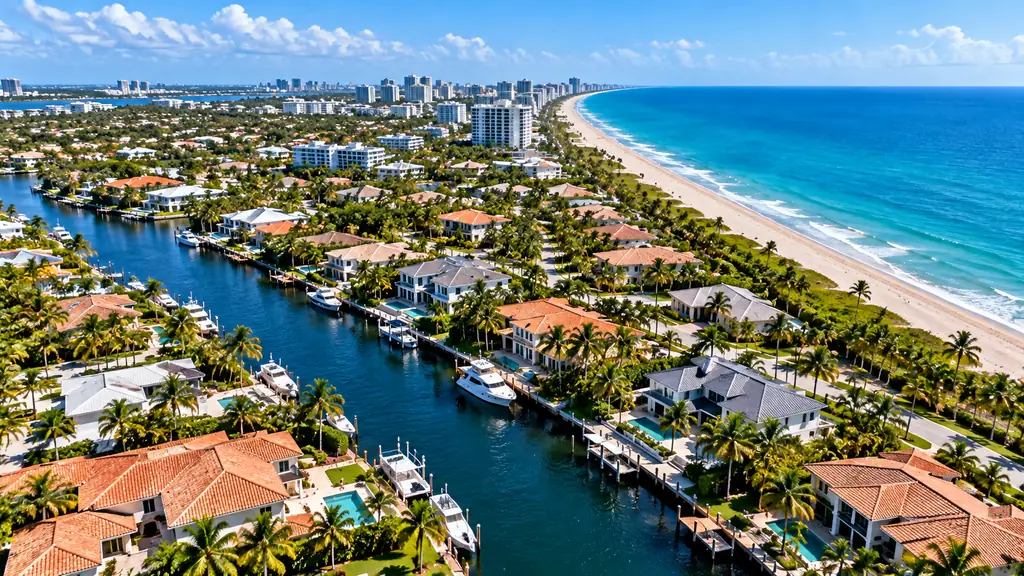
From canal-front homes to mid-century houses and high-rise condos, Fort Lauderdale roofs face salt air, summer storms, and the Florida Building Code’s High-Velocity Hurricane Zone requirements.
Roofing in Fort Lauderdale
Fort Lauderdale is often nicknamed the “Venice of America” for its network of canals, and a large share of its homes sit on or near the water. Inland, many neighborhoods are lined with mid-century houses, while the beach and downtown are home to high-rise condos and commercial buildings.
Every one of those roofs is in the High-Velocity Hurricane Zone. Under the Florida Building Code, Broward County roofs must use HVHZ-approved products and installation methods — whether it’s a single-family replacement, a repair on an older home, or a membrane over a condo tower.
We serve homeowners, condo associations, HOAs, and property managers throughout the city, and up the coast through Pompano Beach and Deerfield Beach.
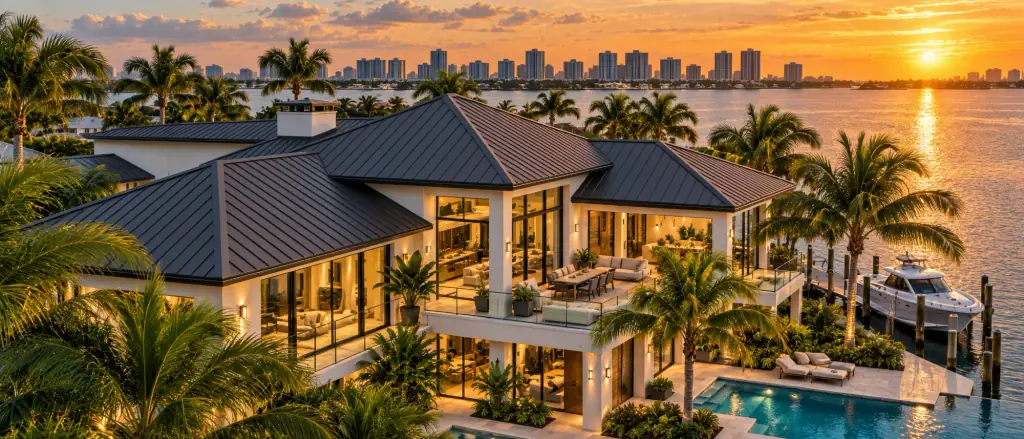
Canal-front homes
Canal and Intracoastal homes get more salt air than neighborhoods a few miles inland. Over time, that speeds up corrosion of fasteners, flashing, edge metal, and vents — often before the roof covering itself shows wear.
On these homes we focus on corrosion-resistant components, careful flashing details, and checking manufacturer coastal-exposure terms. Standing-seam metal is a popular choice on the water, but the panel material and finish need to suit the exposure.
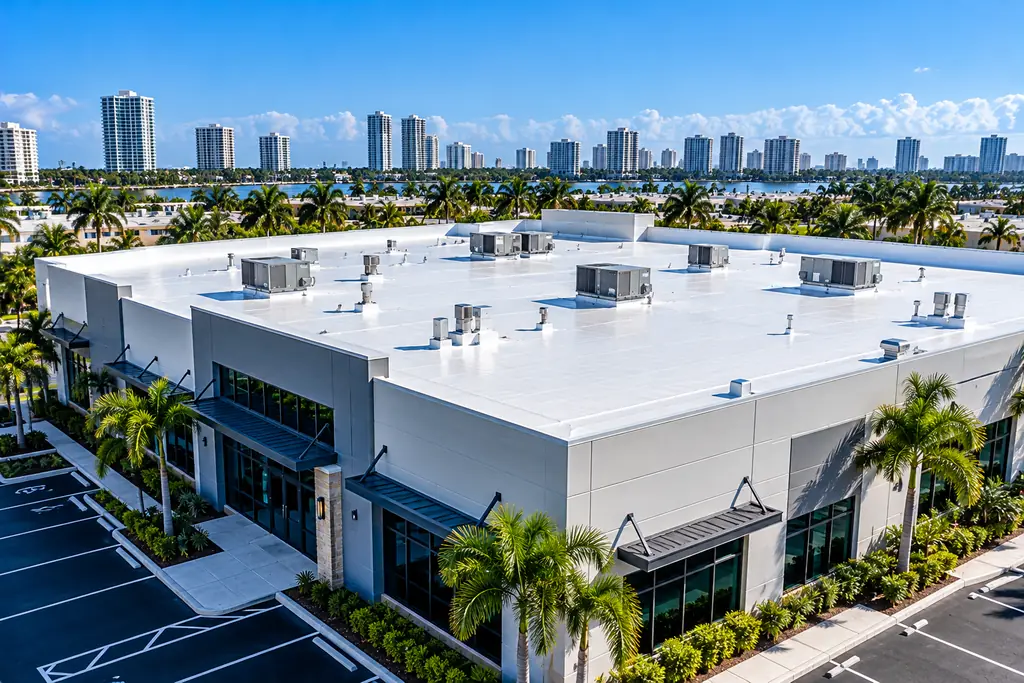
Condos & commercial buildings
Low-slope and flat roofs on condo and commercial buildings come with their own priorities: drainage, rooftop equipment, membrane condition, and keeping the building usable while work is underway.
We provide an assessment and a written scope your board or ownership can review, then plan access, staging, and resident notice around the building. Learn more about our commercial roofing services, or contact us to schedule a walk-through.
What we account for
Products approved for the High-Velocity Hurricane Zone, installed to its requirements.
Corrosion-resistant metal details for canal, Intracoastal, and beachside roofs.
Older decking and past layers checked before work, not discovered mid-job.
Written scopes and scheduling that work for associations and occupied buildings.
Services
Service Area
We serve homes and businesses throughout Fort Lauderdale and nearby Broward County communities from our base in Pompano Beach.
FAQ
Under the Florida Building Code, Broward and Miami-Dade counties make up the High-Velocity Hurricane Zone (HVHZ). Roofing products used here must be approved for HVHZ use, and installation must follow the zone’s requirements. A reroofing permit application typically has to show that the products meet them.
Older homes can hold surprises — deteriorated decking, earlier layers of roofing, or details that don’t match current code. A careful inspection before pricing, and a plan for replacing damaged decking if it’s found during tear-off, keeps the project predictable. Bringing the roof up to current HVHZ requirements is part of any reroof.
We start with a roof assessment and a written scope the board can review. From there we plan around the realities of an occupied building: access, resident notice, rooftop equipment, and scheduling. Our commercial roofing service covers low-slope and flat roof systems common on condo and commercial buildings.
Yes. Homes along Fort Lauderdale’s canals and the Intracoastal see more salt air than inland neighborhoods, which accelerates corrosion of fasteners, flashing, and exposed metal. Corrosion-resistant components and periodic checks of metal details help.
Hurricane season runs June 1 through November 30. Before it starts, have the roof checked for loose or damaged materials, worn flashing, and clogged drains or gutters, and fix small issues while contractors are easier to schedule. After a storm, check for visible damage from the ground and call for an assessment if you see any.
Yes. Our storm damage repair service covers prompt assessment and repair after wind and storm events. Call us to schedule an assessment; if the roof is actively leaking, mention it so we can prioritize the visit.
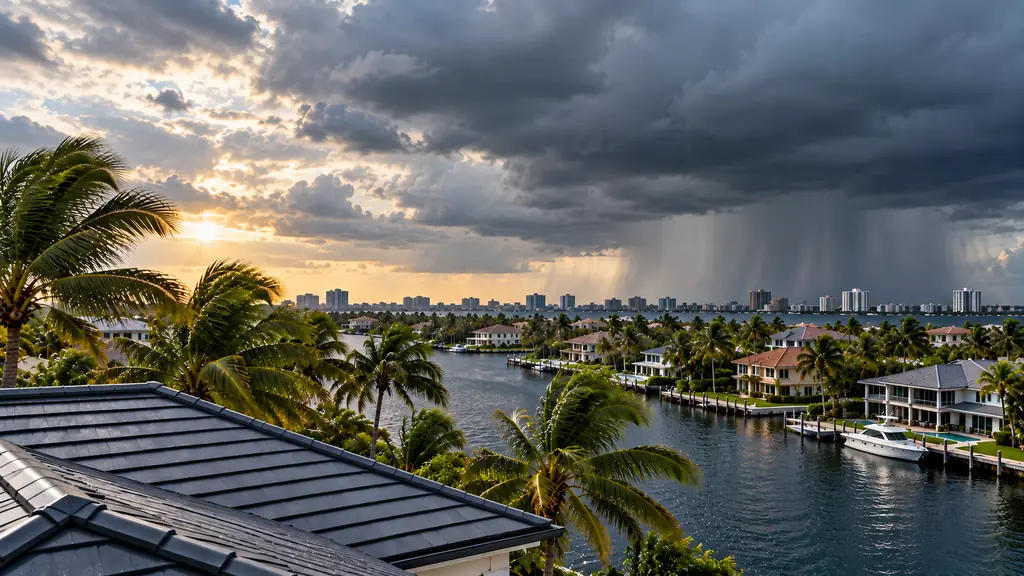
Hurricane season: June 1 – November 30
Schedule an assessment for your Fort Lauderdale home or building. If you already have storm damage or an active leak, call us directly.
Enter your info below and our team will reply by text message.
We'll text you back at the number you provided shortly.