Residential Roofing

A Roof Built for How Florida Homes Live

Sun, salt air, summer downpours and hurricane season all test a roof differently. We help South Florida homeowners choose, install and maintain roofs that suit the house, the neighborhood and the weather.

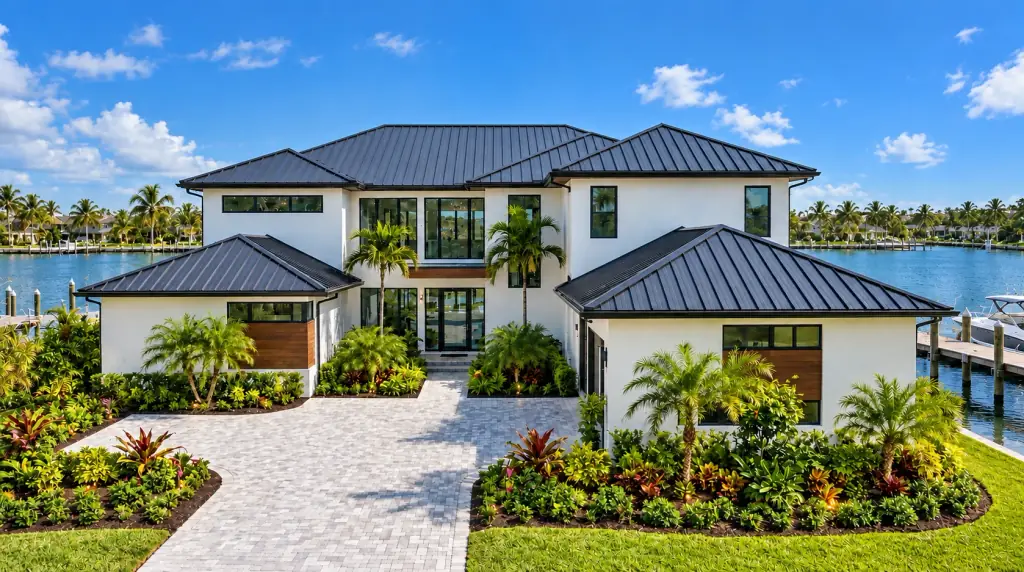
Two-story waterfront South Florida home with a dark standing-seam metal roof under a blue sky

Roofing for Your Home

Straight answers before anyone climbs a ladder

A new roof is one of the largest purchases most homeowners make, and it is easy to feel rushed. We slow the process down. We start by looking at what you have now: the material, the slope, the condition of the flashing and ventilation, and any signs of past leaks. Then we explain your options in plain English, including what each one means for weight, appearance, upkeep and cost.

If your roof only needs a repair, we will say so and point you to our roof repair service. If it is time for a new system, our roof replacement process covers everything from the permit to the final inspection. Not sure yet? Start with a roof inspection.

Material Options

Three roof types that fit South Florida homes

Each material has trade-offs. Here is how we explain them to homeowners at the kitchen table.

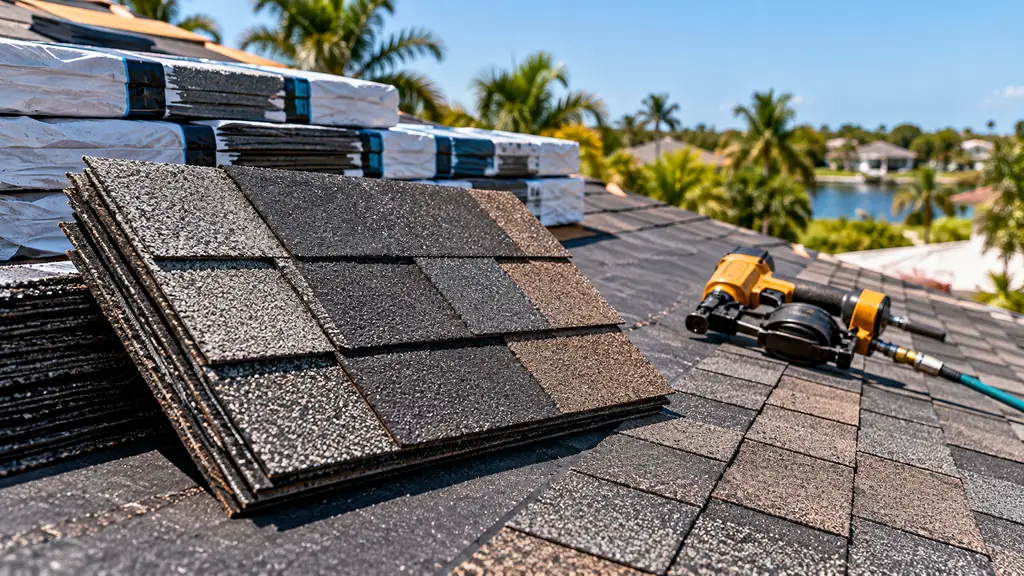
Bundles of architectural asphalt shingles on a roof deck

Architectural Shingles

Dimensional asphalt shingles are the most common choice for homeowners who want a dependable roof at a more accessible price point. Modern products come in a wide range of colors and are rated for high-wind installation when applied to the manufacturer’s specifications.

  • Lightest of the three options
  • Wide color selection
  • Straightforward to repair
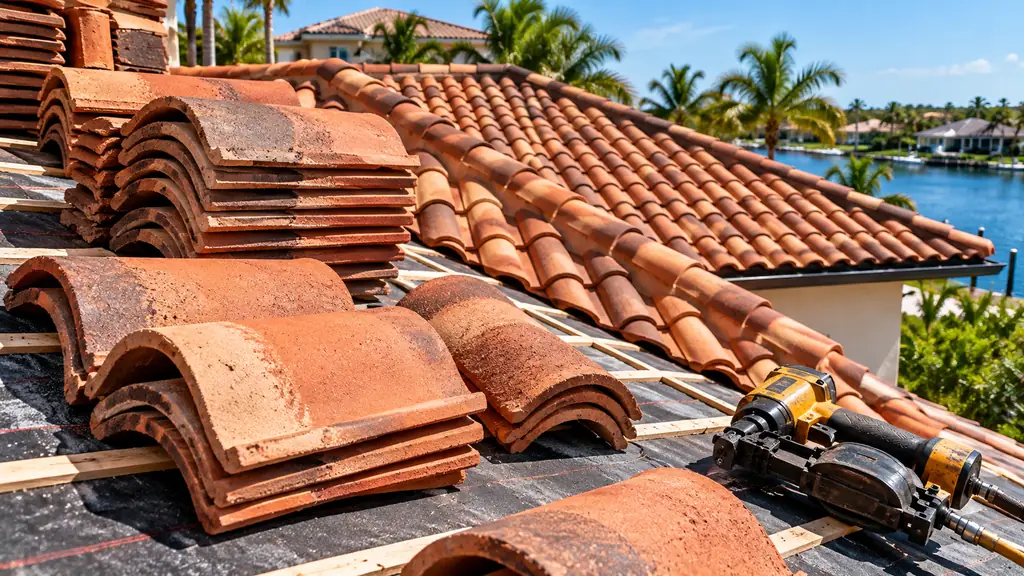
Spanish clay barrel tiles being installed on a roof

Concrete & Clay Tile

Tile defines the look of many Mediterranean and Spanish-style homes across the region. It is heavy, so the framing has to be suitable, and the underlayment beneath it does much of the waterproofing work, which is why tile roofs need proper installation and periodic checks.

  • Classic Florida curb appeal
  • Heavier — structure must be evaluated
  • Underlayment is the key layer
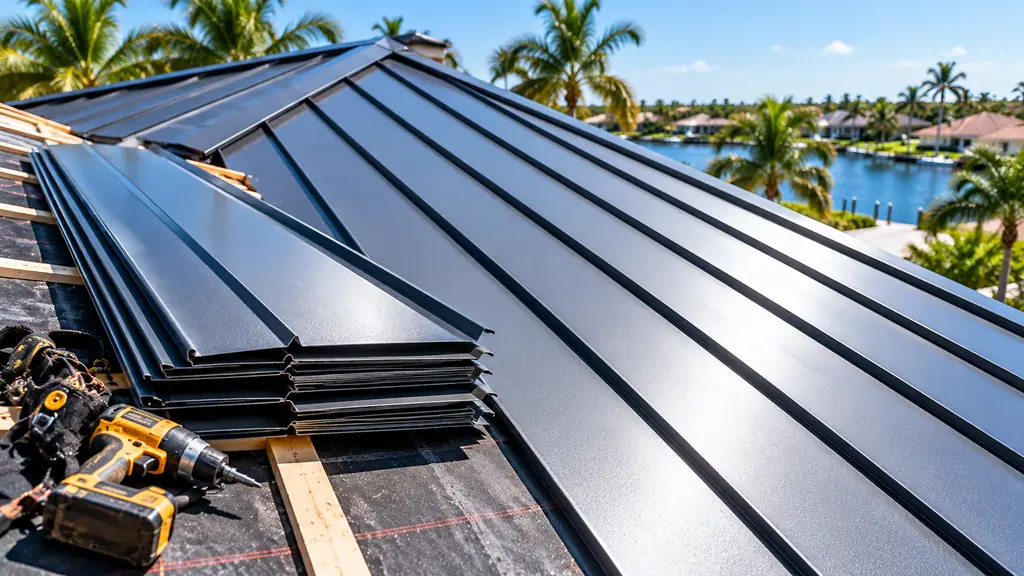
Close-up of standing-seam metal roof panels being installed

Standing-Seam Metal

Metal roofs shed heavy rain quickly and can be finished in reflective colors that reduce heat gain from the sun. Near the coast, panel coatings and fastener choices matter because salt air speeds up corrosion. Learn more on our metal roofing page.

  • Clean, modern lines
  • Reflective finishes available
  • Coastal-grade components matter

Why Homeowners Call Us

What working with us looks like

A proposal you can read

Every estimate is written and itemized, so you can see what is included — tear-off, underlayment, flashing, ventilation, disposal — and compare it fairly.

One point of contact

You will know who to call with questions before, during and after the job, instead of chasing answers through a front desk.

Permits handled

We pull the required building permit and coordinate inspections with your local building department so the work is documented.

Respect for your property

We protect landscaping, pool areas and driveways, keep the site organized each day, and sweep for nails when we finish.

Built for the climate

We talk through ventilation, reflective options and coastal-grade fasteners — the details that help a roof hold up to heat, UV and salt air.

Honest recommendations

If a repair will do the job, we will tell you. We would rather earn your trust than sell you a roof you do not need yet.

Roof Styles

Roof styles you will see across South Florida

From low-profile metal on modern homes to barrel tile on Mediterranean estates, the right roof complements the architecture.

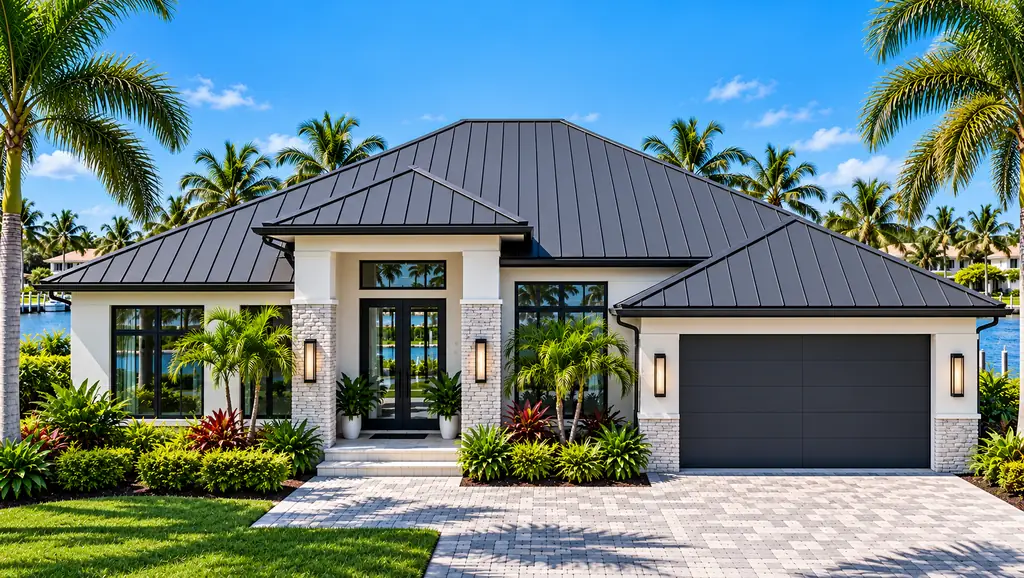
Single-story home with a charcoal standing-seam metal roof
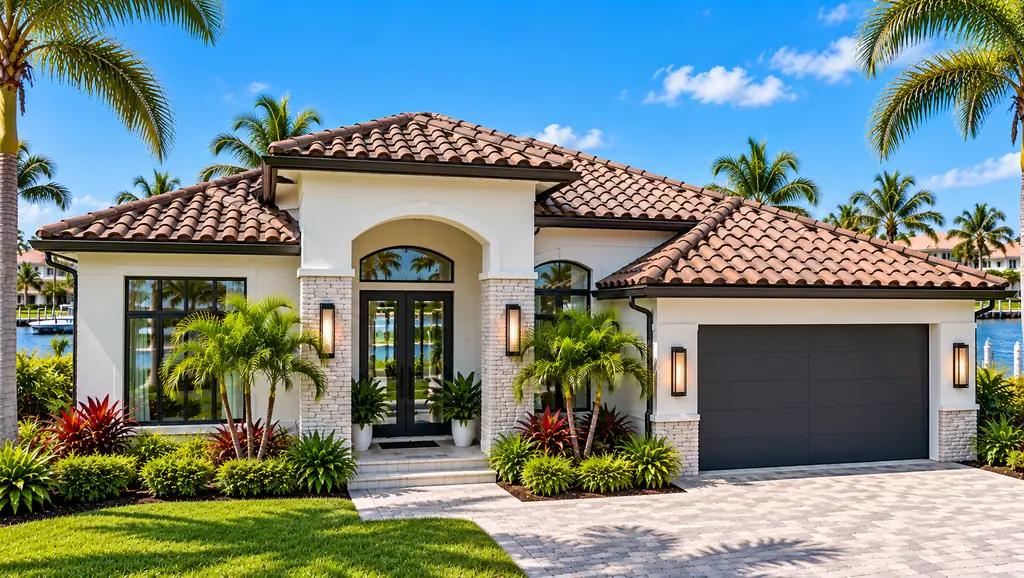
Mediterranean-style home with a terracotta barrel tile roof
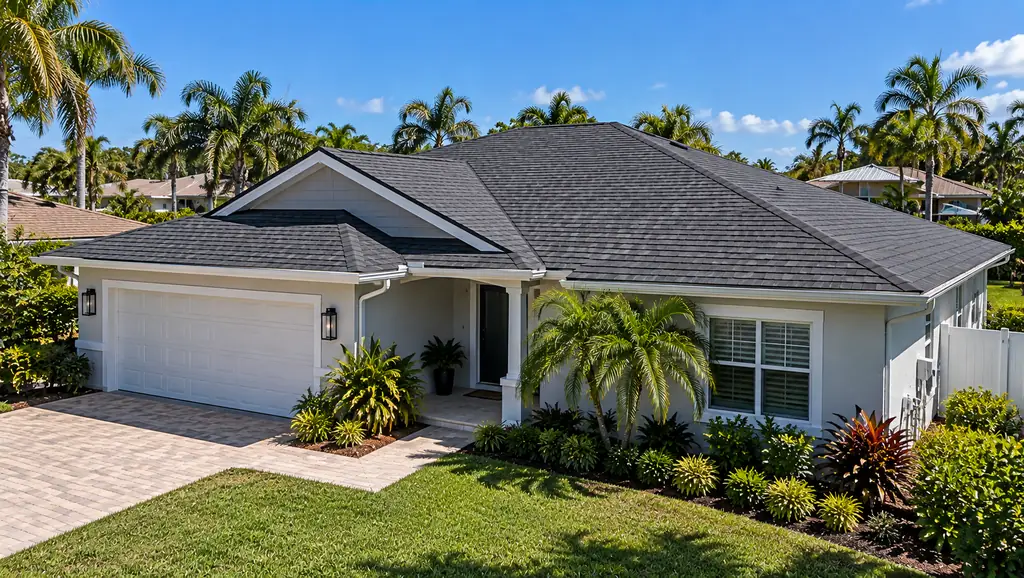
Single-story home with a new gray architectural shingle roof
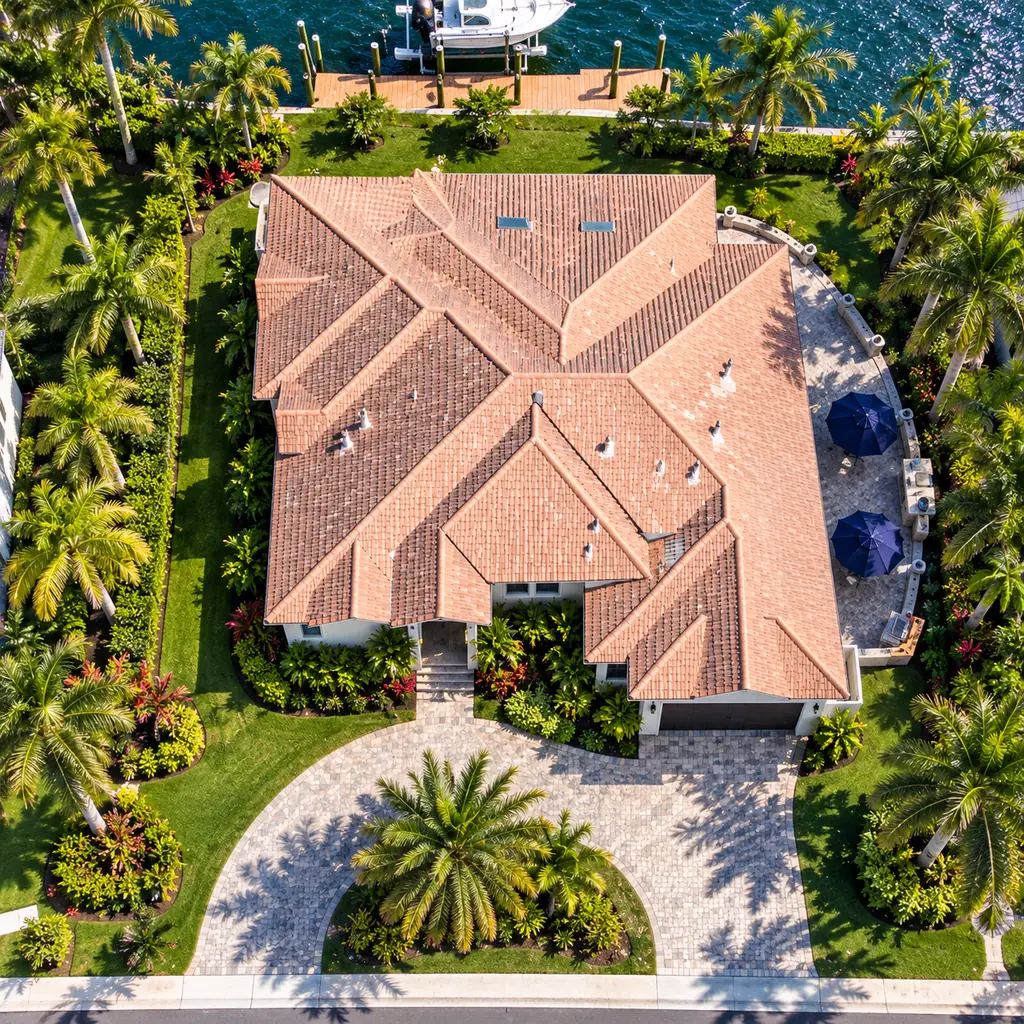
Aerial view of a waterfront home with a terracotta tile roof and pool
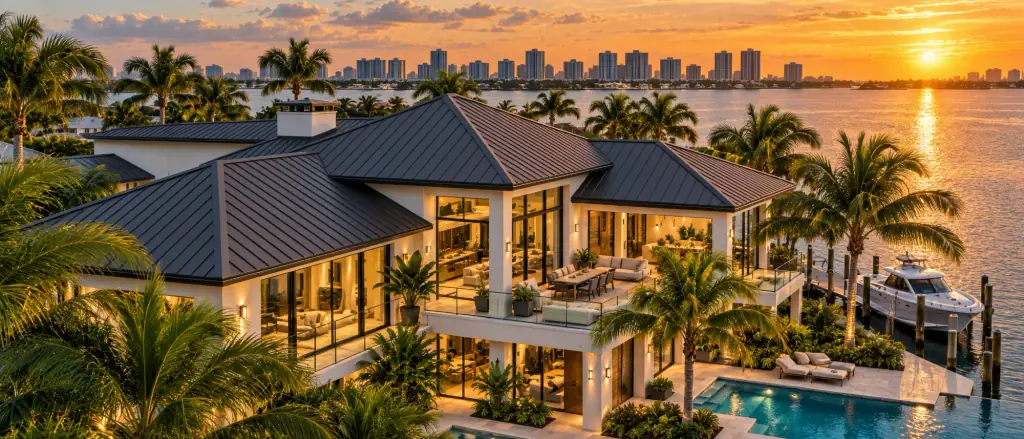
Waterfront home on the Intracoastal with a dark metal roof at sunset

Illustrative images — not photographs of completed Elite Tech Roofing projects.

How It Works

From first call to final walkthrough

  1. 1

    Visit & assessment

    We inspect the roof and attic where accessible, take photos and listen to what you want from the project.

  2. 2

    Options & proposal

    You receive a written, itemized proposal with material options and a clear scope of work.

  3. 3

    Permit & scheduling

    We submit the permit, order materials and set a start date that works for your household.

  4. 4

    Installation

    Our crew works through the roof section by section, keeping the home dried-in and the site tidy.

  5. 5

    Final inspection

    The building department signs off, and we walk the property with you to answer any last questions.

FAQ

Homeowner Roofing Questions

Have a question that isn't answered here?

Call (954) 716-2216
Which roofing material is best for a South Florida home?

There is no single best answer. Architectural shingles are the most budget-friendly, concrete and clay tile suit Mediterranean and Spanish-style homes, and metal performs well in sun and wind. The right choice depends on your roof framing, your neighborhood or HOA rules, how long you plan to stay, and your budget. We walk through all of it during your estimate.

Do I need a permit to re-roof my house in Florida?

Generally, yes. Reroofing in Florida typically requires a building permit from your city or county, plus inspections during and after the work. We handle the permit application and schedule the required inspections as part of the job.

Can I switch from shingles to tile or metal?

Often, yes, but it has to be evaluated first. Tile is much heavier than shingles, so the roof framing needs to be able to carry the added load. Moving to metal is usually a lighter change. We look at your structure and explain any additional requirements before you commit.

Will my HOA need to approve the new roof?

Many South Florida communities require architectural review for roof material, color, or profile changes. Check your HOA documents early. We can provide product information and color samples you can include with your application.

How do I know if I need a repair or a full replacement?

Isolated damage on a roof that is otherwise in good shape can often be repaired. Widespread wear, repeated leaks in different areas, or deteriorated underlayment usually point toward replacement. A roof inspection gives you a clear picture so you can decide with real information.

Do I need to be home while the roof is being installed?

You do not have to be, but we recommend being reachable. Expect noise during tear-off, and plan to move vehicles out of the driveway and protect fragile items in the attic or garage. We review the day-by-day plan with you before work begins.

Palm trees against a bright blue South Florida sky

Free Estimate

Let’s talk about your home’s roof

Schedule a free, no-pressure visit. We will look at your roof, explain what we find and give you a written proposal.

Call Now Free Estimate